Altimexor Metal
Steel recycling is no longer a secondary industrial task. It is a central strategy for reducing resource pressure, energy demand, and manufacturing emissions. The World Steel Association reports that more than 650 million tonnes of steel are recycled globally each year. This volume prevents large quantities of usable metal from entering landfills and reduces dependence on newly mined iron ore.
Yet the question remains practical: How to recycle steel efficiently in 2026? The answer begins with accurate sorting. Separate carbon steel, stainless steel, galvanized parts, and mixed assemblies before processing. A magnet can identify ferrous material, but it cannot confirm steel grade or detect every coating. Industrial recyclers therefore combine visual inspection, handheld analyzers, weighing systems, and controlled dismantling. The U.S. Environmental Protection Agency notes that recycling steel saves energy and conserves raw materials compared with primary production. The margin matters.
Efficient facilities also reduce contamination. Remove plastics, oils, concrete, batteries, and nonferrous attachments before shredding. Clean scrap produces better furnace yields and more reliable mill output. The Bureau of International Recycling’s steel scrap guidance emphasizes preparation quality, traceability, and safe handling throughout the supply chain. Real yards are messier. Data varies between regions, equipment, and reporting years, so headline recovery rates need careful interpretation. This guide examines practical 2026 methods, from source separation and automated sorting to electric-arc-furnace supply planning. It also considers transport distance, worker safety, material quality, and the imperfect decisions that influence true recycling efficiency.
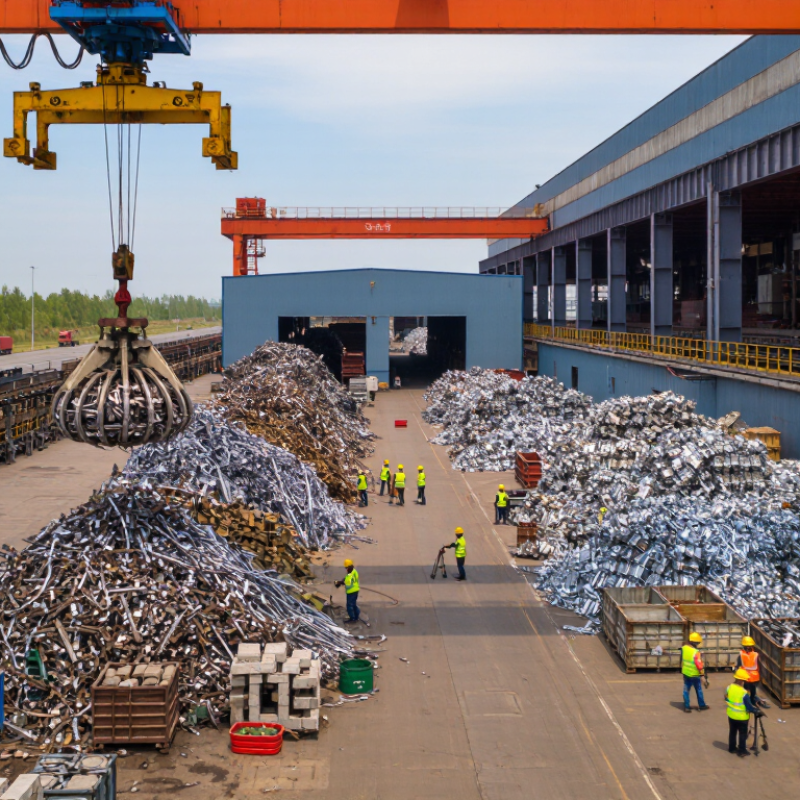
2026 Top Ways to Recycle Steel Efficiently?
Steel recycling begins with correct separation. Workers remove plastic, wood, soil, and hazardous residues before processing. Magnets capture ferrous steel, while sensors and manual checks improve sorting accuracy. Clean scrap usually produces better furnace feed and fewer processing problems. A small mistake matters. Paint, oil, or mixed metals can reduce material quality and increase treatment needs. Recycling facilities should record incoming weights, contamination levels, and energy use. These records support traceability and help operators adjust their methods.
In a circular economy, steel remains useful instead of becoming waste. Old beams, vehicle parts, cans, and appliances can return to steelmaking streams. Steel can be recycled repeatedly without losing its basic material properties, although coatings and impurities require control. Recycled steel can reduce demand for newly extracted iron ore and support more efficient resource use. It also connects manufacturers, demolition teams, scrap collectors, and consumers in one recovery chain. That chain works only when collection systems are practical. Clear bins help. Reliable transport matters too.
For efficient recycling in 2026, facilities can combine magnetic separation, shredding, quality testing, and digital tracking. Electric equipment may lower local emissions, but its climate benefit depends on the electricity source. This detail is often overlooked. Results should be measured across the whole process, not promoted from one stage. Practical recovery work often struggles when workers receive unclear sorting instructions. Training needs regular updates, especially when product designs change. No system is perfect. Some scrap remains difficult to recover, and honest reporting is better than exaggerated claims.
Efficient steel recycling in 2026 begins with accurate identification. Steel usually responds to a magnet, while aluminum and copper do not. However, some stainless steel grades show weak or no magnetic attraction. Check weight, color, surface texture, and markings together. Do not trust one test alone. Small errors matter.
Sorting improves recovery and reduces processing delays. Separate carbon steel, stainless steel, galvanized steel, and coated pieces when possible. Remove obvious non-steel parts, including plastic handles, rubber seals, wood, and loose wires. Keep steel dry. Moisture adds weight and can accelerate rust. A simple magnet, flashlight, and strong gloves are useful tools for careful inspection. I still find mixed scrap easy to misclassify, especially after paint hides the surface.
Preparation should make the material safer and easier to handle. Drain containers completely, remove sharp protrusions when practical, and cut oversized pieces only with suitable equipment. Never place sealed or pressurized containers into a scrap pile. Residues can create serious hazards during compacting or melting. Keep prepared steel in separate, stable bundles rather than loose heaps. Photographing unusual pieces can also help a qualified recycler confirm the grade. The method is not perfect. Rechecking uncertain items is better than guessing.
2026 Top Ways to Recycle Steel Efficiently?
Efficient steel recycling begins with disciplined collection. Separate steel from aluminum, copper, plastics, and hazardous residues at the source. Use covered containers to limit rainwater, soil, and loose debris. Keep it dry. Trained workers should inspect incoming loads and record their origin, weight, and visible condition. Magnets can identify ferrous material, but they cannot confirm steel quality or alloy composition.
Processing should reduce contamination before melting. Shears, balers, and shredders can prepare consistent sizes for transport and furnace charging. Remove rubber, insulation, paint flakes, and trapped liquids whenever practical. Small errors matter. A single mixed alloy can affect chemistry, product performance, and energy use. Regular equipment checks also reduce fires, dust release, and unexpected downtime. Still, no sorting system is perfect, especially with coated or compacted scrap.
Melting efficiency depends on clean feedstock, accurate sampling, and controlled furnace operation. Operators can blend different scrap grades to meet the target chemistry without excessive corrections. Preheating suitable scrap may reduce thermal demand, but it requires careful moisture control. Moisture is dangerous. Sensors should monitor temperature, emissions, and power consumption throughout the cycle. Reviewing rejected loads and processing losses reveals weak points. In practice, reliable records often improve recycling more than expensive equipment.
In 2026, steel recycling is becoming a data-driven process. AI-powered vision systems identify alloy types through color, shape, and embedded markings. Hyperspectral sensors detect coatings and contamination that ordinary cameras miss. Robotic arms then separate steel from copper, aluminum, and nonmetal debris. This reduces sorting errors and improves furnace feed quality. Small gains matter.
Modern electric arc furnaces use cleaner electricity, precise temperature controls, and real-time chemistry analysis. Operators can adjust carbon, oxygen, and alloy additions within minutes. Digital twins test charging plans before production begins, reducing wasted energy and rejected batches. Some facilities recover heat from hot exhaust gases. These systems still need skilled oversight. Algorithms may misclassify unusual scrap when paint, rust, or mixed assemblies hide the steel grade.
Portable X-ray fluorescence tools can verify alloy composition before melting. Digital material passports can record a batch’s origin, test results, and processing history. This improves traceability between demolition sites, scrapyards, and mills. Independent audits and calibrated sensors remain essential for reliable data. The technology is impressive, but it is not self-correcting. Poorly trained models can create confident mistakes. Careful sampling, human review, and transparent quality records keep advanced recycling practical.
Typical material and emissions savings associated with recycling one metric tonne of steel. Sensor-based sorting, AI-assisted scrap classification, automated shredding and electric arc furnace optimization can help recyclers achieve these established efficiency benefits more consistently.
Reference benchmarks: approximately 1.5 tonnes of CO₂, 1.4 tonnes of iron ore, 0.74 tonnes of coal and 0.12 tonnes of limestone saved per tonne of recycled steel. Actual savings vary by scrap quality, electricity mix and production route.
2026 Top Ways to Recycle Steel Efficiently?
Quality Control, Reuse Options, and Recycling Challenges
Steel recycling in 2026 depends on accurate sorting before materials reach the processing line. Quality control begins with checking thickness, corrosion, coatings, and alloy composition. Workers should inspect incoming loads under bright, even lighting. A handheld analyzer can identify nickel, chromium, or manganese content within seconds. Moisture and oil also require attention. Small errors matter.
Reuse can delay energy-intensive melting and preserve more material value. Clean beams may serve in warehouse repairs, temporary structures, or agricultural equipment. Steel sheets can become brackets, panels, or machine guards after careful inspection. Before reuse, engineers should check cracks, fatigue marks, and previous load history. Practical audits often reveal inconsistent measurements between shifts. That weakness deserves correction, not concealment.
Recycling challenges remain serious when steel is mixed with aluminum, rubber, concrete, or heavy coatings. Sorting systems remove much contamination, yet they cannot replace trained operators. Paint removal may create dust, while oily scrap requires controlled handling and suitable protective equipment. One overlooked issue is transport. Moving low-value scrap across long distances can consume significant fuel and reduce environmental benefits. Recycling plans should compare material quality, processing energy, and transport distance together. Perfect recovery is unrealistic. Better sampling, clearer records, and regular equipment maintenance can still reduce avoidable losses.
| Recycling Stage | Steel Input or Material Type | Quality-Control Check | Typical Efficiency Indicator | Reuse or Recycling Option | Main Challenge | Recommended Practice |
|---|---|---|---|---|---|---|
| Collection and Preparation | Structural steel, sheet steel, reinforcing bars, wire, and steel packaging | Separate ferrous steel from non-ferrous metals, plastics, wood, soil, and hazardous residues | Higher recovery rate and lower contamination-related rejection | Direct reuse of sound components; recycling of damaged or obsolete material | Mixed waste streams and concealed coatings or attachments | Use source-separated collection bins and remove non-steel attachments before transport |
| Magnetic Separation | Steel mixed with municipal, construction, demolition, or industrial waste | Check magnet performance, belt speed, particle size, and ferrous carryover | Efficient bulk recovery of magnetic ferrous pieces; performance varies by feed composition | Feed preparation for shredding, grading, or furnace use | Small, coated, embedded, or non-magnetic stainless steel items may be missed | Combine magnetic separation with manual inspection or sensor-based sorting |
| Shredding and Size Reduction | End-of-life vehicles, appliances, machinery, and fabricated steel scrap | Monitor particle size, oil content, residual metals, dust, and equipment wear | More uniform scrap improves furnace charging and reduces manual sorting | Prepared scrap for electric arc furnace or other steelmaking routes | Energy use, dust generation, fire risk, and contamination from mixed products | Apply dust control, fire detection, preventative maintenance, and controlled feed rates |
| Scrap Grading and Sorting | Heavy melting scrap, shredded scrap, plate and structural scrap, and prompt industrial scrap | Verify bulk density, dimensions, residual copper, tin, nickel, chromium, and moisture | Consistent chemistry lowers correction additions and improves product quality | Match each scrap grade to the required steel chemistry and furnace process | Copper and tin can accumulate because they are difficult to remove during melting | Use supplier specifications, representative sampling, and periodic laboratory analysis |
| Surface Cleaning | Painted, galvanized, oily, rusted, or coated steel | Identify oil, moisture, lead-containing coatings, zinc, and other regulated substances | Cleaner scrap reduces furnace emissions, slag volume, and process interruptions | Reuse clean sections; process contaminated sections under controlled conditions | Coatings can create fumes, dust, zinc residues, and hazardous waste | Use approved cleaning methods, ventilation, worker protection, and regulated waste handling |
| Direct Component Reuse | Beams, columns, rails, plates, pipes, fasteners, and undamaged fabricated parts | Inspect dimensions, corrosion, cracks, weld condition, load history, and traceability | Preserves the existing product form and avoids remelting energy | Use in new construction, maintenance, equipment repair, or modular fabrication | Uncertain material history, modified geometry, and engineering approval requirements | Document inspection results and obtain qualified structural or mechanical approval |
| Electric Arc Furnace Recycling | Prepared ferrous scrap, direct-reduced iron, and limited virgin iron units | Control scrap chemistry, charge mix, moisture, furnace temperature, slag, and dissolved gases | Can use a high proportion of scrap; exact percentage depends on grade and equipment | Produce new long products, flat products, tools, machinery, and engineered components | Electricity demand, residual elements, refractory wear, and variable scrap quality | Optimize charge planning, use low-carbon electricity where available, and monitor chemistry continuously |
| Steelmaking Quality Verification | Molten steel and continuously cast or rolled products | Test chemical composition, tensile properties, hardness, surface condition, and dimensional tolerance | Lower rework, downgraded production, and rejected batches | Return conforming recycled steel to construction, transport, energy, and manufacturing applications | Residual elements may affect ductility, weldability, surface quality, or fatigue performance | Apply batch traceability, calibrated instruments, sampling plans, and documented release criteria |
| End-of-Life Recovery Planning | Buildings, bridges, vehicles, appliances, machinery, and infrastructure | Record steel grades, connections, coatings, hazardous materials, and dismantling sequence | Higher material recovery and fewer mixed-waste disposal loads | Prioritize reuse, then component remanufacturing, then material recycling | Poor documentation, inaccessible connections, composite assemblies, and contamination | Design for disassembly and maintain digital material records throughout the product life cycle |
Separate steel from plastic, wood, soil, and hazardous residues. Clean scrap creates fewer furnace problems.
Magnets capture ferrous steel. Sensors, shredders, and manual checks improve sorting accuracy.
Yes, steel can return to production many times. Coatings, oil, rust, and mixed metals still require control.
Old beams, vehicle parts, cans, appliances, and steel sheets can be recovered or reused.
Reuse preserves more material value and avoids energy-intensive melting. A clean beam might support warehouse repairs.
Workers inspect thickness, corrosion, coatings, and alloy composition. Handheld analyzers can detect nickel, chromium, and manganese.
Vision systems, hyperspectral sensors, robotic sorting, digital twins, and real-time furnace analysis improve process control.
No. Algorithms may misclassify unusual scrap hidden under paint or rust. Human review remains necessary.
Facilities should record weights, contamination, energy use, origin, test results, and processing history.
Long transport distances, mixed materials, oil, heavy coatings, and poor training can increase energy use and material losses. Perfect recovery is unrealistic.
Steel recycling is a key part of the circular economy because it conserves raw materials, reduces energy use, and limits industrial waste. How to recycle steel efficiently begins with identifying steel products and separating them from nonferrous metals, plastics, coatings, and other contaminants. Items should be collected safely, sorted by type and composition, and prepared through cleaning, cutting, or compacting to improve transport and processing efficiency.
Modern recycling facilities use automated sorting, magnetic separation, sensor-based identification, and data-driven systems to improve accuracy. Efficient collection networks, controlled shredding, and optimized melting processes help recover steel while maintaining stable quality. In 2026, advanced furnaces, improved emissions monitoring, and smarter material tracking can further reduce resource consumption. Recycled steel may be reused in construction, manufacturing, tools, and infrastructure, provided it passes strict quality checks. However, contamination, mixed materials, collection gaps, energy demand, and fluctuating market conditions remain important challenges that require better coordination and continuous technological improvement.
