Altimexor Metal
Steel bar strength standards can look like a wall of grades, numbers, and testing terms. Yet these details decide whether a reinforced concrete beam performs safely under load. This guide explains seven practical tips for reading strength requirements without guessing. A useful starting question is: What are the standards for steel bar strength? The answer depends on the bar’s grade, diameter, production method, and governing code. Standards from ASTM, BS, EN, and other bodies may use different symbols and test methods. Do not compare numbers blindly. Numbers can deceive. A yield strength value in one system may not match the same label elsewhere. Small print matters.
The discussion focuses on traceable evidence, including mill certificates, tensile-test results, chemical analysis, and inspection records. These documents connect a bundle of ribbed bars to a tested manufacturing batch. On a job site, that means checking markings before bars disappear beneath gray concrete. We also consider elongation, tensile-to-yield ratio, weldability, corrosion concerns, and sampling procedures. Strength alone is not the whole story. A bar can meet a headline value yet create problems if its ductility or identification is unclear. I have seen specifications copied between projects without reviewing the local code; that shortcut can mislead even experienced teams. Use these tips as a verification framework, not a replacement for a qualified engineer or the current standard. Requirements change, and practical judgment still needs evidence.
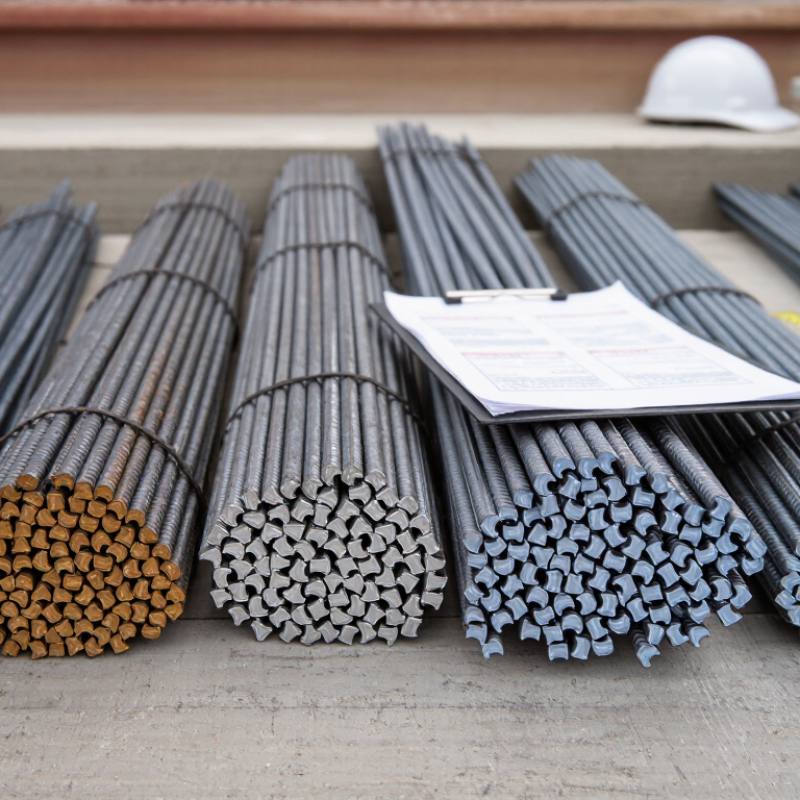
7 Tips to Understand Steel Bar Strength Standards
Steel bar grades describe performance, not just diameter or surface appearance. A grade commonly identifies minimum yield strength, tensile strength, and required elongation. Tip one: confirm the governing standard before comparing grades. ASTM, EN, and other systems use different symbols and testing rules. The numbers are not interchangeable. Tip two: read yield strength carefully. It shows when permanent deformation begins. Tensile strength shows the maximum stress before fracture.
Tip three: check the yield-to-tensile ratio. A very high ratio may leave less deformation warning before failure. Tip four: review elongation values. Higher elongation often indicates better ductility under structural movement. Tip five: inspect the bar markings and match them with the mill certificate. Do not rely on color or memory. Tip six: verify test results from an accredited laboratory when safety is critical. A certificate can contain errors, and one sample cannot represent every batch perfectly.
Tip seven: consider weldability and bending performance. Chemical composition, carbon equivalent, rib geometry, and bending diameter all affect site results. A stronger bar is not automatically the better choice. I have seen specifications focus on strength while overlooking bend cracks and fabrication limits. That is a useful warning. Recheck the design code, batch number, testing method, and storage condition before acceptance. Rust staining may be harmless, but deep pitting deserves closer assessment.
7 Tips to Understand Steel Bar Strength Standards?
Reading yield strength correctly starts with the test unit. Yield strength marks when a bar begins permanent deformation. ASTM A615/A615M-24 Grade 60 requires at least 420 MPa yield strength. Its minimum tensile strength is 550 MPa. Do not confuse these values. Tensile strength shows the maximum stress before fracture. A higher tensile value does not automatically mean better structural performance. Check the grade, test direction, and specimen size together. Small details matter.
Elongation describes ductility after the tensile test. It is reported as a percentage over a specified gauge length. EN 10080 B500B requires 500 MPa yield strength, a minimum tensile-to-yield ratio of 1.08, and 5% total elongation at maximum force. This ratio matters. It shows how much reserve exists after yielding. However, elongation values from different gauge lengths are not directly comparable. That mistake remains common.
Use the exact standard edition.
Read the certificate, not only the sales sheet. Compare heat number, test method, chemical limits, and measured results. The 2024 World Steel in Figures report places global crude steel production near 1.9 billion tonnes in 2023, showing the scale of modern steel supply. Scale does not remove variability. A test result can pass strength requirements while revealing weak ductility. When values look unusually high, pause and investigate. Higher is not always safer.
| Tip | Standard and Grade | Typical Product Form | Yield Strength (MPa, Minimum) |
Tensile Strength (MPa) |
Elongation (%, Minimum) |
How to Read the Values |
|---|---|---|---|---|---|---|
| 1 | ASTM A36 | Structural steel bar, plate, and shapes | 250 | 400–550 | 20 | Start with yield strength: 250 MPa is the minimum stress at which permanent deformation is expected to begin. |
| 2 | ASTM A572 Grade 50 | High-strength, low-alloy structural steel | 345 | 450 | 18 | A higher yield value generally allows a smaller or more highly loaded structural member, subject to design checks. |
| 3 | ASTM A615 Grade 60 | Deformed reinforcing bar for concrete | 420 | 620 | 14* | Do not compare reinforcing-bar values directly with structural-steel values without checking bar size, test length, and the applicable product standard. |
| 4 | EN 10025-2 S275JR | Hot-rolled structural steel products | 275** | 410–560 | 21 | The “JR” designation refers to impact toughness tested at 27 J at +20 °C; it is not an indicator of yield strength. |
| 5 | EN 10025-2 S355JR | Hot-rolled high-strength structural steel | 355** | 470–630 | 20 | Compare both yield and tensile strength: yield describes the start of permanent deformation, while tensile strength is the maximum engineering stress before fracture. |
| 6 | JIS G3101 SS400 | General structural steel | 245*** | 400–510 | 21 | The number “400” mainly identifies the tensile-strength class; it should not be interpreted as a 400 MPa yield-strength requirement. |
| 7 | All listed standards | Bars and structural steel products | See grade | See grade | See grade | Always verify thickness or bar diameter, test direction, gauge length, temperature, heat-treatment condition, and the original mill test certificate. |
Steel bar strength is not named consistently across regions.
A “Grade 60” bar under ASTM A615 indicates a minimum yield strength of 60 ksi, or about 420 MPa. European practice often uses B500B, meaning a 500 MPa characteristic yield strength with specified ductility. China commonly uses HRB400 and HRB500 designations. These numbers look comparable, but they are not automatically interchangeable.
Check seven details before approving a substitute:
yield strength, tensile strength, elongation, tensile-to-yield ratio, bar diameter, rib geometry, and certification.
ASTM A615 Grade 80 reaches about 550 MPa yield strength, while EN 10080 systems also classify ductility. That difference matters during earthquakes and repeated loading. Eurocode 2 design values must match the selected steel class. A strength number alone is insufficient.
The World Steel Association reported approximately 1.89 billion tonnes of crude steel production in 2023, showing the scale of a highly international supply chain. Yet regional compliance remains local. Mill certificates should identify the applicable standard, heat number, chemical composition, and test results. Verify them against project specifications and local building rules.
Do not convert MPa mechanically. I have seen procurement teams treat HRB500 and B500B as identical, which can hide ductility differences. That shortcut needs more scrutiny.
Independent testing is sensible when certificates are incomplete or unfamiliar.
7 Tips to Understand Steel Bar Strength Standards
Steel bar strength is not proven by a grade printed on a tag. It depends on testing, dimensions, and traceable production records. Tip 1: Confirm the applicable standard and project specification together. They may use different strength classes. Tip 2: Check whether samples were taken from each heat or production batch. Random sampling can miss local variation. Tip 3: Review tensile tests for yield strength, ultimate strength, and elongation. Short numbers can hide important differences.
Tip 4: Ask how the laboratory prepared and tested specimens. Tensile, bend, and rebend methods must follow the referenced standard. A bent sample should not show visible cracks. Tip 5: Compare actual diameter, length, rib pattern, and mass with permitted tolerances. Small dimensional changes affect calculated area and placing accuracy. This is often overlooked. Tip 6: Do not accept average results without checking individual readings. One failed result may require retesting, depending on the standard and sampling plan.
Tip 7: Verify certification documents against the bar bundle and heat number. A reliable certificate should identify the material grade, test date, laboratory, and applicable standard. Independent laboratory verification adds confidence, especially for safety-critical work. Still, paperwork is not physical proof. Inspectors should record bundle markings, storage conditions, and visible damage. I have seen well-organized records paired with poorly protected steel. That gap deserves attention.
This chart compares representative minimum yield and tensile strength requirements for common reinforcing-steel grades. Values are shown in MPa and should be verified against the applicable edition of each standard, including test method, dimensional tolerances, and certification requirements.
Choosing steel bars requires more than comparing diameters or prices. The correct selection depends on structural loads, exposure conditions, fabrication methods, and local building standards.
Tip one: confirm the required yield and tensile strength from the engineer’s design.
Tip two: check the bar diameter, length, and rib pattern against the drawings. Ribs improve bonding with concrete, but placement still matters.
Tip three: review ductility requirements, especially for beams, columns, and earthquake-resistant structures. Stronger steel is not always the safer choice.
Tip four: examine the bar’s weldability before approving welded connections. Some grades require controlled procedures or preheating.
Tip five: consider corrosion exposure near coastlines, industrial areas, or wet foundations. Proper concrete cover and suitable protection can influence service life.
Tip six: request traceable mill certificates and independent test results. These documents should identify the heat number, chemical composition, yield strength, elongation, and bend performance. Details matter.
Tip seven: compare the delivered material with the approved specification. Measure several bars, inspect surfaces for deep rust or cracks, and record discrepancies before installation.
A common site mistake is accepting a familiar grade without checking the project’s actual requirements. I would also verify substitutions with a qualified structural engineer.
This step may feel slow, but an incorrect bar can affect anchorage, cracking, and overall reliability.
Standards vary by region, so confirm the governing code and testing method before concrete placement.
It usually identifies minimum yield strength, tensile strength, and required elongation. Diameter alone is not enough.
Yield strength marks when permanent deformation begins. Tensile strength is the maximum stress before fracture.
No. Regional standards use different symbols, tests, and ductility requirements. Similar numbers may hide important differences.
Higher elongation often indicates better ductility during movement, repeated loading, or earthquakes. Stronger is not always safer.
Match bar markings with the mill certificate, heat number, diameter, chemical composition, and test results. Do not rely on color.
Not always. Certificates can contain errors, and one sample may not represent the whole batch perfectly.
Chemical composition, carbon equivalent, rib geometry, bending diameter, and fabrication procedures all matter. Bend cracks are a warning.
Light staining may be harmless, but deep pitting requires closer review. Inspect several bars and record visible damage.
Check structural loads, concrete cover, moisture, coastal exposure, rib pattern, and corrosion protection. Storage conditions also matter.
No. Compare strength, elongation, diameter, ribs, certification, and testing methods. I would also seek qualified engineering review.
Understanding steel bar strength standards begins with learning how grades classify mechanical performance and intended use. The key values are yield strength, which indicates when permanent deformation begins, tensile strength, which measures the maximum stress before failure, and elongation, which reflects ductility. When asking, “What are the standards for steel bar strength,” it is important to recognize that requirements may differ by region, structural code, bar grade, and application. Designations should therefore be interpreted together with the relevant standard rather than viewed as universal labels.
A reliable comparison should also consider test methods, dimensional tolerances, chemical limits, and certification requirements. Test results are meaningful only when samples are prepared and evaluated according to an approved procedure. For construction projects, selecting the appropriate steel bar involves balancing required strength, ductility, weldability, corrosion considerations, and expected loading conditions. Confirming documentation and traceability can help ensure that the delivered material matches the design specifications and supports safe, durable structural performance.
