Altimexor Metal
Heavy load structures demand more than impressive strength figures. A bridge girder, warehouse column, or crane beam must resist compression, bending, impact, fatigue, and corrosion over years of service. The wrong grade may pass a simple tensile test yet fail around a welded joint or repeated lifting point. That is why engineers ask, “How to choose steel for heavy load applications” before selecting a product.
Industry standards provide useful benchmarks. ASTM A572 Grade 50 offers a minimum yield strength of 50 ksi, or approximately 345 MPa. EN 10025-2 lists S355 structural steel with a 355 MPa minimum yield strength for thinner sections. These values are not interchangeable without checking thickness, temperature, welding method, and design code. AISC 360-22 and Eurocode 3 both require engineers to consider stability, buckling, connections, and fatigue—not strength alone.
The World Steel Association reported global crude steel production of about 1.89 billion tonnes in 2023. This scale supports a broad supply base, but quality can vary between mills, batches, and certification systems. High-strength low-alloy steel can reduce structural weight. Carbon steel may offer simpler fabrication and lower purchasing costs. Weathering steel can reduce coating maintenance in suitable environments, though it is not ideal everywhere. Stainless steel resists corrosion strongly, but its price and structural behavior deserve careful review. There is no universal winner. Actual load cycles, weld details, inspection records, and service conditions should guide the final choice. Even experienced teams can overlook temperature effects or local buckling. That small oversight can become expensive.
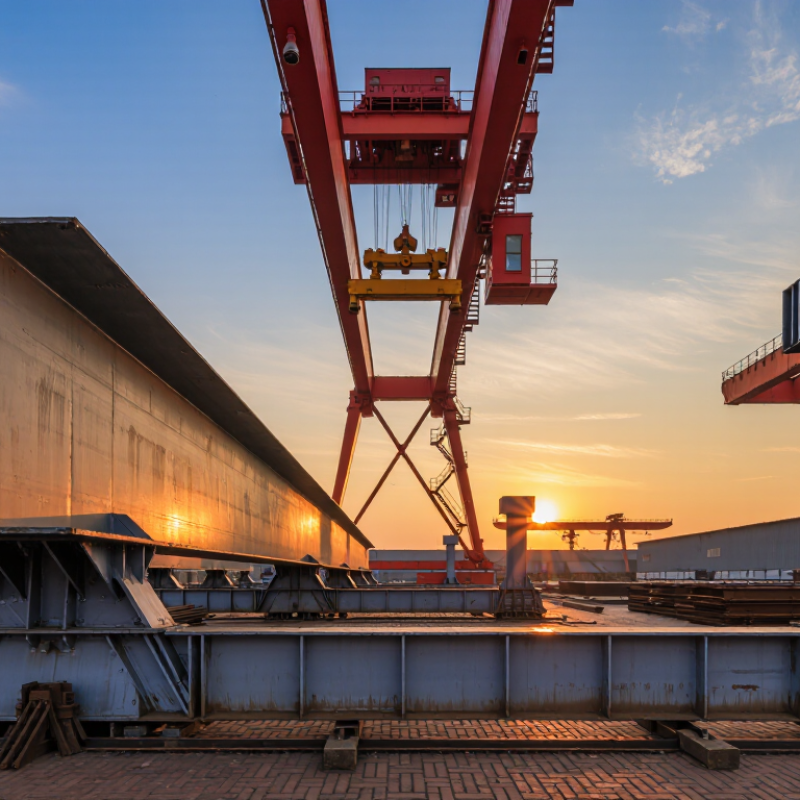
Choosing steel for heavy loads starts with load definition, not grade popularity. Axial force, bending, impact, fatigue, temperature, and corrosion create different risks. A 500-ton press frame needs stiffness and fatigue resistance. A bridge bearing needs toughness at low temperatures. These demands are not interchangeable. The World Steel Association reported about 1.89 billion tonnes of crude steel production in 2023. That figure shows market scale, not material suitability. Engineering judgment still matters.
Selection should compare yield strength, ultimate strength, elongation, fracture toughness, and weldability. Higher yield strength can reduce section weight. It may also reduce ductility or complicate welding. Check the full stress range, not only the maximum load. For repeated lifting, fatigue data and joint details often control design. Eurocode 3 emphasizes verified properties, buckling checks, and connection behavior. Use certified mill test results and traceable heat numbers. Small paperwork gaps matter.
Environment changes the answer. Coastal platforms need corrosion allowances or protective systems. Sub-zero service demands impact testing at the design temperature. The USGS Mineral Commodity Summaries 2024 estimates global iron ore production near 2.5 billion metric tons in 2023. Supply is broad, but local availability still affects lead time and replacement risk. A practical approach is to shortlist several grades, then test the actual weld procedure. Inspect critical joints. Calculations can pass while inspection access is ignored. That is an uncomfortable flaw. Design for maintenance, not just the first load.
Carbon steel remains a practical choice for heavy-load structures because its strength, weldability, and cost are reasonably balanced. The World Steel Association reported global crude steel production of about 1.89 billion tonnes in 2023, showing the material’s continuing industrial importance. However, steel type matters more than total production volume.
ASTM A36 provides a minimum yield strength of 36 ksi, making it suitable for base plates, frames, and lightly loaded supports. ASTM A572 Grade 50 raises yield strength to 50 ksi, allowing slimmer members under comparable loads. ASTM A992 also specifies a 50 ksi minimum yield strength and is widely used for structural wide-flange sections. Its controlled chemistry improves consistency during fabrication. Higher-strength ASTM A514 reaches approximately 100 ksi yield strength, but welding procedures become more demanding. Strength alone is not enough.
AISC 360-22 requires engineers to check yielding, buckling, fracture, and connection resistance. In practice, a 50 ksi grade can reduce member weight, yet thinner sections may lose stability sooner. The European standard S355 offers a comparable 355 MPa nominal yield level, although its performance depends on thickness and delivery condition. Field inspections often reveal the overlooked issue: corrosion near bolt holes or weld toes. I have seen load estimates look excellent on paper, then weaken after drainage problems. Designers should verify mill certificates, weld quality, temperature toughness, and real support conditions. Static calculations can still miss vibration, impact, or uneven loading. That gap deserves more attention.
Alloy steels are strong because chemistry and heat treatment work together. Chromium, molybdenum, nickel, and manganese improve hardenability, toughness, and fatigue performance. Common grades such as 4140 and 4340 suit shafts, pins, gears, and lifting components. Properly quenched and tempered 4140 can reach tensile strengths near 900 MPa, while 4340 may exceed 1,000 MPa. These values come from typical ASM Handbook data, not guarantees for every batch.
Fatigue resistance depends on more than tensile strength. Surface finish, machining marks, residual stress, and corrosion can reduce service life. A polished 4340 shaft may perform better than a rougher, harder component. The American Society for Testing and Materials emphasizes controlled testing because fatigue results vary with specimen geometry and loading cycles.
That warning matters in real workshops. Small defects grow quietly.
The World Steel Association reported global crude steel production of about 1.89 billion tonnes in 2023. Such scale supports broad alloy-steel availability, but availability does not equal suitability. Engineers should verify mill certificates, impact toughness, hardness depth, and heat-treatment records. Low-temperature applications need special attention. A strong steel can still fracture unexpectedly. Design calculations should include stress concentration and realistic load cycling.
Static strength alone is not enough. Sometimes, engineers overvalue hardness.
Heavy-load design rarely rewards the cheapest steel. It rewards the correct balance of strength, toughness, wear resistance, and environmental stability. The World Steel Association reported 1,888.2 million tonnes of crude steel production in 2023. That scale supports broad specification control, but volume alone does not guarantee performance. Engineers still need verified mill certificates, hardness tests, and load-specific calculations.
Stainless steel suits heavy components exposed to moisture, salts, or cleaning chemicals. Its chromium content forms a protective passive film, though corrosion resistance varies sharply by grade and surface condition. The International Stainless Steel Forum reported global stainless production of about 58.4 million tonnes in 2023. That figure reflects extensive use, not universal suitability. Pitting can still begin around scratches, crevices, or stagnant water.
Tool steel is often better for concentrated contact loads, cutting edges, dies, and wear plates. Heat treatment can produce very high hardness, but excessive hardness may reduce impact toughness. ASM heat-treatment guidance repeatedly emphasizes this trade-off. A hardened component may survive abrasion yet crack under shock. That mistake is common.
Real service data matters. Engineers should compare tensile strength, yield strength, fatigue behavior, fracture toughness, and operating temperature. Stainless may need passivation. Tool steel may need controlled tempering. No grade wins every condition, and published data cannot replace full-scale validation.
Matching steel to a heavy-duty application requires more than choosing the highest strength grade. Load direction, impact, temperature, corrosion, and fabrication methods all matter. A lifting frame may need high yield strength, while a mining chute needs abrasion resistance and reliable weldability. Stronger is not always better.
For pressure vessels or structural beams, low-alloy high-strength steel can reduce thickness and dead weight. Check yield strength, tensile strength, and fatigue performance against real service loads. For gears, shafts, and pins, alloy steel with suitable heat treatment can resist repeated contact stress. In cold environments, select steel with verified impact toughness. A brittle failure can happen without much warning.
Corrosion-resistant steel suits outdoor platforms, marine structures, and chemical handling areas, but its cost and welding requirements need review. Weather exposure alone does not justify every premium grade. Site reviews often reveal overlooked details, such as trapped water beneath stiffeners or sharp corners that concentrate stress. These small flaws matter. I have seen designs focus on material strength while ignoring joint quality and maintenance access. That approach needs reconsideration. Match the steel to the complete duty cycle, not just the maximum load.
Representative minimum yield strength values and typical heavy-duty uses
Higher yield strength generally allows a steel component to carry greater loads or use a smaller cross-section. A36 is commonly selected for general structural work, while S355 and A572 Grade 50 suit heavier structural frames. A514 provides substantially higher strength for weight-sensitive machinery, lifting equipment, and heavily loaded plates. Actual performance depends on thickness, welding, heat treatment, fatigue, corrosion, and design standards.
Define axial force, bending, impact, fatigue, temperature, and corrosion. Load type changes the safest steel choice. Start there.
No. Higher strength can reduce weight but may lower ductility and complicate welding. Strength alone misleads.
Compare yield strength, ultimate strength, elongation, fracture toughness, weldability, and fatigue performance. Check the whole stress range.
Repeated loading can grow small cracks near weld toes, holes, and sharp machining marks. Static calculations may miss this damage.
Heat-treated alloy steels can provide high strength, toughness, and fatigue resistance. Their performance depends on hardness depth and surface condition.
Sometimes. Smooth surfaces reduce stress concentrations, while rough marks can start fatigue cracks. Hardness is not the whole story.
Salt, moisture, and poor drainage accelerate corrosion. Use corrosion allowances, protective systems, and regular inspection access.
Verify impact toughness at the actual design temperature. A strong steel can still fracture suddenly when it becomes cold.
They confirm chemistry, strength, and delivery condition. Small paperwork gaps can create large uncertainties later.
Designers may verify the first load but ignore maintenance, drainage, vibration, or uneven support. The structure may pass calculations and still deteriorate.
Choosing the right steel is essential for heavy load applications, where strength, toughness, fatigue resistance, and durability determine long-term performance. The process begins by evaluating load type, stress concentration, impact exposure, operating temperature, corrosion risk, and fabrication requirements. Carbon steel grades can provide reliable load-bearing capacity for many structural uses, while higher-strength grades may reduce material weight without sacrificing safety. Alloy steels are valuable when components must withstand repeated stress, shock, or demanding mechanical loads because alloying elements can improve hardenability, toughness, and fatigue resistance.
For severe environments, stainless steels offer corrosion resistance alongside dependable strength, while tool steels are suitable for wear-intensive parts exposed to high contact pressure. How to choose steel for heavy load applications depends on matching material properties to the actual service conditions rather than selecting the strongest grade available. Structural frames may favor weldable carbon or low-alloy steels, whereas shafts, gears, fasteners, and wear components may require specialized alloy, stainless, or tool steels. Proper heat treatment, design verification, and quality control are equally important for safe and efficient performance.
