 Altimexor Metal
Buying fabricated steel is rarely just about comparing prices. The hidden risk sits in drawings, tolerances, welding procedures, and communication. A low quotation may exclude surface preparation, testing, delivery protection, or final dimensional checks. These omissions can create expensive changes when columns arrive with misplaced holes or beams exceed the planned clearance.
What are common mistakes in steel fabrication? Buyers often accept unclear drawings, incomplete material specifications, and verbal promises about quality. Some fail to request mill certificates, weld inspection records, coating details, and a practical inspection schedule. Others overlook fabrication tolerances until steel reaches the construction site. A two-millimeter error may seem minor. At a congested connection, it can stop installation.
W. Edwards Deming, a respected quality-management expert, stated, “Quality comes not from inspection, but from the improvement of the production process.” His lesson applies directly to steel purchasing. Inspection cannot repair poor design coordination or careless fabrication planning. Buyers should review shop drawings early, confirm steel grades, define acceptance criteria, and ask how nonconforming work will be handled. Experienced fabricators should welcome these questions, not dismiss them.
Still, no checklist guarantees perfection. I have seen projects with complete paperwork suffer from rushed communication. That weakness deserves honest attention. The best buying decision considers traceability, technical experience, realistic lead times, and the fabricator’s willingness to explain risks clearly. This guide examines the mistakes buyers should avoid before steel cutting begins.
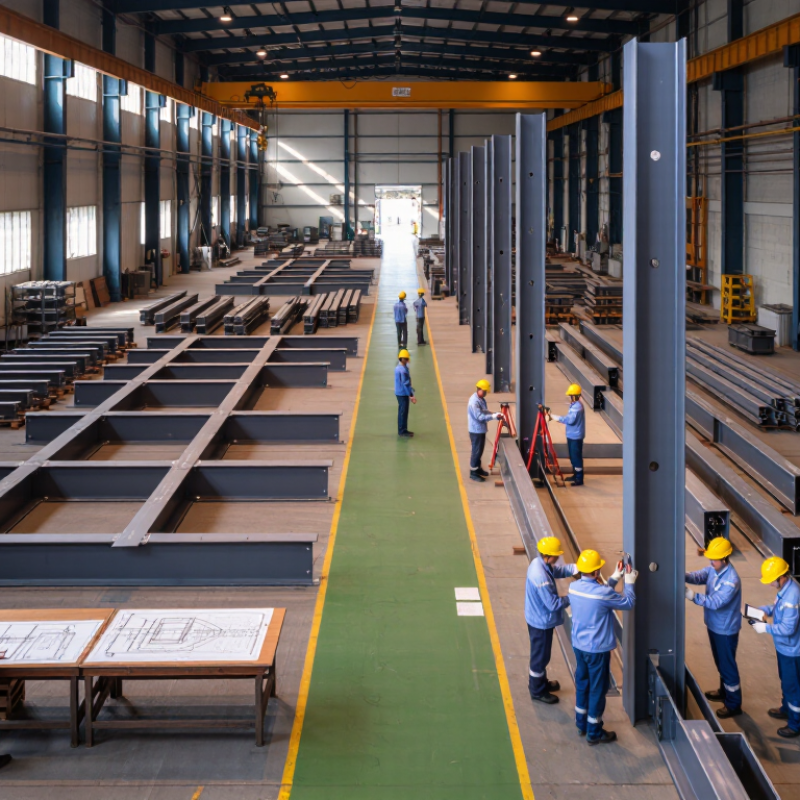
China Best Steel Fabrication Mistakes Buyers Should Avoid?
Defining requirements should happen before comparing China steel fabrication suppliers. A vague request such as “make this frame” invites different interpretations. Provide detailed drawings, steel grades, dimensions, tolerances, weld sizes, surface treatment, and expected quantities. Include the working environment, load conditions, and installation method. These details affect material selection and fabrication cost.
Small details matter. State whether measurements use millimeters or inches. Confirm acceptable weld appearance, edge finishing, hole locations, and coating thickness. Share applicable technical standards and inspection procedures before production begins. If the part needs machining after welding, identify the required allowance. A supplier may follow the drawing exactly, yet the result can still fail if the drawing lacks functional information. That mistake is easy to overlook.
Request a production sample or a controlled first article when the design is complex. Ask for material certificates, weld inspection records, dimensional reports, and clear photographs of critical areas. Define who approves deviations and how changes are documented. One practical lesson is uncomfortable: buyers often focus on the lowest quotation before checking whether suppliers understood the same requirements. A cheaper offer may exclude testing, packaging, or corrosion protection. I have also seen specifications revised too late, creating rework and schedule pressure. Leave room for technical discussion, but keep every agreed detail in writing.
Request current business licenses, welding certifications, inspection records, and recent project references. Check whether the documents match the actual factory and production team. A missing match matters. Ask for a quality plan covering hold points, responsibilities, and corrective actions. Do not trust polished presentations alone.
Ask about cutting machines, welding stations, crane limits, shift patterns, and monthly output. Review the production schedule for your order. A full factory may miss delivery dates. Capacity on paper can mislead. Small details matter.
Watch how inspectors handle rejected welds. The weld should be repaired, documented, and checked again. Ask to see approved welding procedures and qualified welder records. Look for organized material tracking and visible inspection routines. A clean workshop proves little.
Match material certificates with heat numbers and finished components. Confirm that the numbers appear on physical parts or clear records. Review dimensional reports and coating checks. For critical joints, request suitable non-destructive testing records. Paperwork is not proof.
Use calibrated tools to check length, hole spacing, plate thickness, squareness, and connection alignment. Record each reading beside the inspected piece. Compare measurements with approved drawings and revision numbers. Do not accept “close enough.” Small deviations can block installation.
Look for undercut, cracks, incomplete fusion, heavy spatter, and uneven weld profiles. Use a weld gauge when drawings specify minimum dimensions. Inspect hidden corners, not only convenient surfaces. Rotate or lift assemblies safely. Hidden defects happen.
Check surface cleanliness, primer type, and dry-film thickness. Measure several points around welds, bolt holes, lifting lugs, and damaged edges. Confirm that drainage holes stay open. Remove temporary supports before acceptance. Fresh coating can be fragile.
Confirm quantity, piece markings, packing protection, and loading photographs. Check every defect against its exact component. Agree on corrections before loading begins. Moisture trapped under plastic can damage fresh coatings during transit. A rushed visit can become expensive.
Some buyers approve samples without checking regular production controls. Others inspect only photographs or the easiest surfaces. Incomplete traceability is another warning sign. A careful checklist still has limits when production changes suddenly. I would recheck critical items.
When sourcing steel fabrication from China, buyers should establish clear requirements before selecting a supplier. Define dimensions, materials, production standards, tolerances, surface treatment, quantity, packaging, and delivery expectations in detailed documents. What are common mistakes in steel fabrication? Typical errors include relying on incomplete drawings, overlooking material certifications, accepting unrealistic tolerances, and failing to confirm whether a supplier has sufficient capacity, skilled personnel, equipment, and quality control procedures. Reviewing qualifications, production records, inspection methods, and communication practices can reduce these risks.
Cost and contract management are equally important. Buyers should compare complete quotations rather than focusing only on unit price, while clearly specifying responsibilities, lead times, payment milestones, quality criteria, and procedures for handling revisions or defects. Before shipment, finished fabrications should be checked against approved drawings and specifications through dimensional inspections, weld evaluations, surface checks, quantity verification, and suitable documentation. Careful pre-production planning and final inspection help prevent delays, unexpected expenses, rejected goods, and disputes.

