When considering outdoor projects, understanding material choices is crucial. Why is galvanized steel important for outdoor projects? This question highlights the significance of durability and protection in varying weather conditions. Galvanized steel undergoes a process of coating with zinc, which shields it from rust and corrosion. This feature makes it ideal for structures exposed to moisture.
Using galvanized steel can enhance the longevity of furniture, fences, and frameworks. Its resilience means fewer repairs and replacements. However, some may overlook its importance, leading to short-lived outdoor installations. The investment in galvanized materials pays off, though initial costs may seem higher.
In addition to durability, galvanized steel offers aesthetic appeal. Its sleek surface can blend well with natural surroundings. Yet, it’s vital to consider proper installation to maximize benefits. Understanding the material's properties can help in making informed decisions. Ultimately, addressing the query of galvanized steel's importance can guide more effective planning in outdoor endeavors.
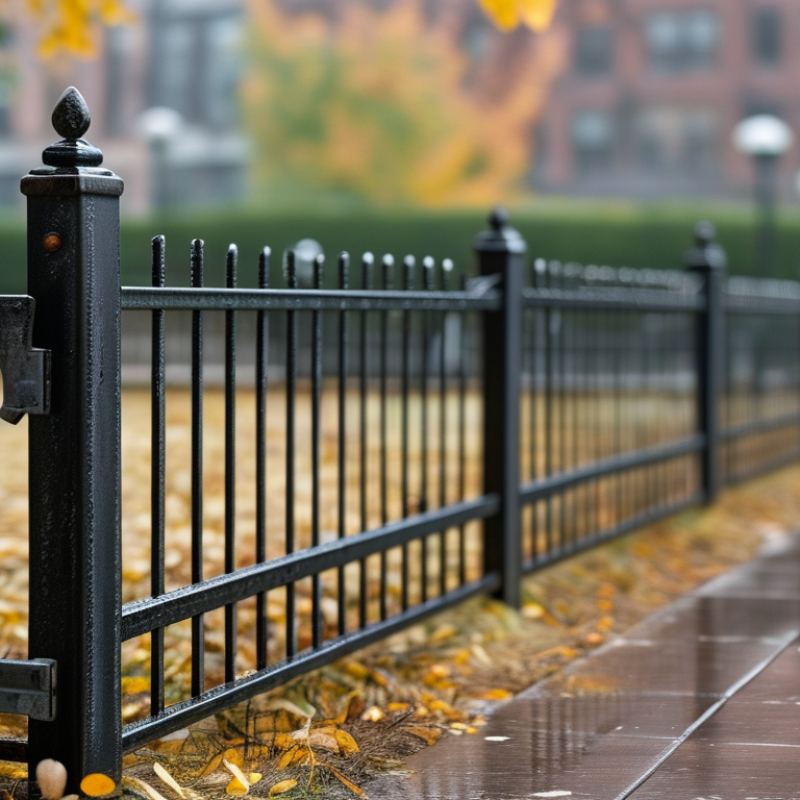
Understanding Galvanized Steel: Definition and Process
Galvanized steel is a type of steel that has been coated with a layer of zinc to resist corrosion. This process involves dipping the steel in molten zinc, creating a protective barrier. The zinc coating helps to prevent rust, making galvanized steel ideal for outdoor projects. It's essential for items exposed to varying weather conditions, such as fences, gates, and outdoor furniture.
When working on outdoor projects, consider that galvanized steel is not indestructible. Over time, the zinc can wear away, exposing the steel underneath. Real-life examples show that even small scratches can lead to rust if not addressed. Regular maintenance, such as cleaning and inspecting for damage, is crucial to prolonging the life of galvanized items.
Tips: Always choose the right thickness of galvanized steel for your project. Thicker options provide more durability. Additionally, avoid using galvanized steel with certain metals, like copper, to prevent galvanic corrosion. Lastly, if cutting or welding, ensure you have the proper safety equipment. Working with galvanized steel can result in hazardous fumes, so be cautious.
Benefits of Galvanized Steel for Outdoor Applications
When it comes to outdoor projects, galvanized steel stands out as a vital material. Its durability is unmatched. According to industry reports, galvanized steel can last up to 50 years without significant corrosion. This longevity is paramount for structures exposed to harsh weather conditions. Homeowners and builders alike appreciate that it requires minimal maintenance. Factors like moisture and temperature changes can severely impact other materials, but galvanized steel remains resilient.
A key benefit of galvanized steel is its resistance to rust. In a study by the American Galvanizers Association, it was revealed that galvanized coatings can withstand more than 50 years of exposure in industrial environments. This makes it ideal for fencing, railings, and outdoor furniture. Additionally, its lightweight nature makes installation easier, reducing labor costs.
**Tip:** Always check the gauge of the steel. Thicker steel provides more strength but can be heavier. A balance between weight and strength is essential for your project.
Flexibility in design is another advantage. Galvanized steel can be easily shaped and molded, allowing for creative architectural solutions. While some may argue about the overall cost, the long-term benefits outweigh initial expenses. Proper investment in galvanized steel can lead to fewer replacements and repairs, ultimately saving money.
**Tip:** Assess the environmental conditions of your area. Tailoring your choice of galvanized steel can optimize its lifespan and performance.
Why is Galvanized Steel Essential for Your Outdoor Projects?
| Benefits |
Description |
| Corrosion Resistance |
Galvanized steel is coated with a layer of zinc which protects it from rust and corrosion in outdoor environments. |
| Durability |
It has a long lifespan, making it a cost-effective choice for outdoor structures such as fences and sheds. |
| Low Maintenance |
Requires minimal upkeep compared to other materials, saving time and money on maintenance over the years. |
| Eco-Friendly |
Recyclable and reduces the environmental impact in construction projects. |
| Aesthetic Options |
Available in various finishes and colors, allowing for customization in outdoor aesthetics. |
Comparative Durability: Galvanized vs. Non-Galvanized Steel
When it comes to outdoor projects, choosing the right materials is crucial. Galvanized steel provides remarkable durability compared to non-galvanized steel. According to industry data, galvanized steel can last up to 50 years, particularly in harsh environments. In contrast, untreated steel may only survive a fraction of that time, often succumbing to rust within a few years.
Galvanization involves coating steel with zinc, which acts as a protective barrier. This process minimizes rust formation, significantly extending the material's lifespan. A report from the American Galvanizers Association highlights that structures made from galvanized steel can withstand corrosion much better than their non-galvanized counterparts. In areas with high humidity or exposure to saltwater, this difference is even more pronounced, showcasing galvanized steel as a superior choice for longevity.
Tip: If using non-galvanized steel, consider applying a protective coating. This can help delay rust but often does not match the immediate resilience of galvanized options. Regular maintenance is key. Inspect your projects frequently to catch any signs of deterioration early.
Tip: For the best results, choose galvanized steel for critical support structures. It offers peace of mind and reduces long-term costs. Remember that investments in quality materials like galvanized steel can pay off over time, ensuring project durability.
In outdoor projects, the choice of material significantly affects durability. This chart compares the expected lifetime of galvanized steel (50 years) and non-galvanized steel (15 years), highlighting the advantages of galvanized steel for long-term outdoor applications.
Common Uses of Galvanized Steel in Outdoor Projects
Galvanized steel plays a crucial role in various outdoor projects. Its resistance to rust makes it ideal for structures exposed to moisture. Common applications include fencing, decks, and garden furniture. The coating helps to extend the lifespan of these materials significantly. This resilience reduces the need for frequent replacements.
When using galvanized steel, consider its weight. It can be heavy, making installation more challenging. Proper support and planning can mitigate this issue. Additionally, some galvanized products may have sharp edges. Always handle them with care to avoid potential injuries.
Whether it's building a trellis or constructing a shed, galvanized steel proves to be reliable. Ensure you choose the correct gauge for your needs. Thicker steel offers enhanced durability but may cost more. Understanding these factors can lead to better decision-making for your outdoor projects.
Maintenance Tips for Galvanized Steel Structures in Outdoor Settings
Galvanized steel is a popular choice for outdoor structures due to its durability. However, proper maintenance is crucial to ensure its longevity. Regular inspections can help identify rust or corrosion early, allowing for timely repairs. Look for any areas where the protective coating might be worn. These spots are often vulnerable to moisture and can compromise the structure.
Cleaning your galvanized steel is essential. Using a gentle soap and water solution can remove dirt and debris without damaging the surface. Avoid abrasive materials that may scratch the finish. A soft cloth or sponge works best. For stubborn stains, a diluted vinegar solution can be effective. Rinse thoroughly to prevent any residual chemicals from causing harm.
Even with regular maintenance, issues can arise. If rust appears, consider touch-up paint formulated for galvanized surfaces. This can restore the protective layer. The key is to remain proactive. Don’t wait until the damage is extensive. Regular care will ensure your galvanized steel remains strong and reliable for years to come.
FAQS
: Galvanized steel is steel coated with zinc for corrosion resistance. It's ideal for outdoor use.
The process involves dipping steel in molten zinc, creating a protective layer against rust.
It is often used for fences, decks, and garden furniture due to its moisture resistance.
While durable, galvanized steel can wear over time, especially if scratched or damaged.
Regular inspections and cleaning are important. Look for rust and worn protective coating.
Avoid using it with metals like copper to prevent galvanic corrosion. It can damage the steel.
Use a gentle soap and water solution. Avoid abrasive cleaners that may scratch the surface.
Use touch-up paint designed for galvanized surfaces to restore the protective layer promptly.
Yes, galvanized steel can be heavy, making installation more challenging. Plan for proper support.
Always wear safety gear to avoid hazardous fumes when cutting or welding galvanized steel.
Conclusion
Galvanized steel is an essential material for outdoor projects due to its unique properties and benefits. It undergoes a galvanization process, where a protective zinc coating is applied to the steel, significantly enhancing its resistance to corrosion and rust. This durability makes galvanized steel a superior choice compared to non-galvanized options, particularly in harsh outdoor environments.
Common applications include fencing, gardening structures, and outdoor furniture, where the longevity and strength of galvanized steel come into play. To maintain the integrity of galvanized steel structures, regular inspections and periodic cleanings are recommended, ensuring that they remain in optimal condition. Understanding why galvanized steel is important for outdoor projects helps homeowners and builders embrace its advantages for sustainable and long-lasting outdoor solutions.
 Altimexor Metal

%20Metal%20Products%20Co.%2C%20Ltd._Steel%20Pipe%2CSteel%20Plate&images=https%253A%252F%252Fomo-oss-image.thefastimg.com%252Fportal-saas%252Fpg2025102019471928898%252Fcms%252Fimage%252F048d5311-fbf7-4e5e-8816-c4626d2ac3bf.png_1920xaf.png&summary=)