Altimexor Metal
In the global manufacturing landscape, understanding "Why steel quality matters in manufacturing" has become crucial. Manufacturers rely heavily on steel for its strength and durability. High-quality steel ensures structural integrity, enhancing product longevity. Poor-quality steel, however, leads to failures and safety risks.
Manufacturers face significant challenges with subpar materials. Unexpected failures can tarnish a brand's reputation. It also incurs financial costs due to recalls and repairs. Not all steel is created equal; variations in composition can affect performance in diverse environments. Manufacturers must prioritize steel sourcing and quality assessment to mitigate these risks.
Investing in high-quality steel is a strategic decision. It supports efficient production processes and reduces waste over time. However, not all manufacturers fully understand the long-term implications of steel quality. Educating teams about material selection can foster a culture of quality. Ultimately, recognizing "Why steel quality matters in manufacturing" is vital for both operational success and consumer trust.
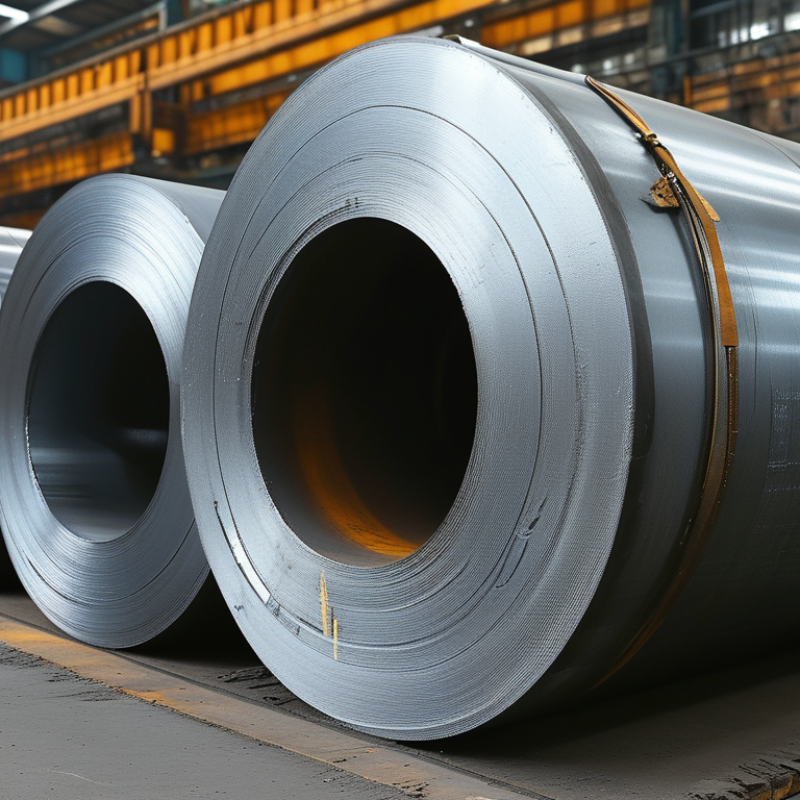
Steel quality plays a critical role in manufacturing processes. High-quality steel contributes to the durability and strength of products. In the automotive industry, for example, using low-grade steel can lead to safety issues. Research shows that nearly 40% of automotive recalls are linked to material failures.
Manufacturers often face challenges with inconsistent steel quality. Variability can stem from production processes or supplier issues. According to a report from the World Steel Association, around 15% of steel produced globally does not meet industry standards. This can result in increased costs and damaged reputations for manufacturers relying on subpar materials.
Investing in high-quality steel reduces the risk of failures and enhances product performance. Options for verification, such as third-party testing, can help ensure quality compliance. Yet, many companies may overlook these evaluations due to cost pressures. Recognizing the long-term benefits of quality can drive better practices in the manufacturing industry.
The quality of steel plays a crucial role in determining the overall effectiveness and efficiency of manufacturing processes across various industries. This chart illustrates the importance of different quality attributes of steel such as tensile strength, ductility, corrosion resistance, hardness, and fatigue strength, which collectively influence manufacturing outcomes.
The quality of steel is paramount for global manufacturers. High-quality steel possesses key properties that ensure durability and reliability. One essential attribute is tensile strength. It allows steel to withstand heavy loads without deformation. This is crucial for construction projects and automotive parts. Another important feature is corrosion resistance. Steel that can fend off rust and wear extends the lifespan of products in harsh environments.
High-quality steel often exhibits better weldability. This trait is vital in creating strong joints in various applications. Yet, achieving the ideal balance of properties is not straightforward. Manufacturers may face challenges in sourcing steel that meets stringent quality standards. Variability in production processes can also impact steel quality. Maintaining consistency is an ongoing struggle, demanding regular audits and quality checks.
Ultimately, the implications of steel quality stretch beyond manufacturing efficiency. They influence safety, performance, and sustainability. Understanding the nuances of steel properties is essential for manufacturers aiming to compete globally. As the industry evolves, the need for reliable, high-quality materials becomes ever more critical. This requires constant improvement and adaptation from manufacturers in every corner of the globe.
Steel quality plays a pivotal role in determining product durability and performance. Manufacturers worldwide rely on steel for producing a wide range of goods. From automobiles to construction materials, the strength and resilience of steel directly affect how these products endure over time. High-quality steel ensures that structures remain intact under pressure. It also improves the longevity of machinery, reducing maintenance costs.
The impact of steel quality can be seen in everyday applications. A car made from inferior steel may suffer from structural weaknesses, leading to potential safety hazards. Similarly, buildings constructed with low-quality steel might face issues like corrosion or collapse. These consequences highlight the importance of using high-quality steel in manufacturing. However, not every manufacturer prioritizes steel quality. Some may cut corners to save costs, compromising safety and performance.
Ultimately, the choice of steel affects not only product performance but also consumer trust. Manufacturers must weigh short-term savings against long-term implications. Investing in better steel may seem costly initially. Still, it can prevent costly recalls and damage to reputation in the long run. Reflection on steel quality is crucial for maintaining industry standards and ensuring product reliability.
The economic implications of using quality steel in manufacturing are profound. High-quality steel enhances product durability and performance. According to the World Steel Association, using quality steel can reduce waste by up to 25%. This reduction translates to lower costs for manufacturers. However, sourcing quality steel can be more expensive upfront.
Investments in quality steel also correlate with better market competitiveness. A report from Market Research Future highlights that manufacturers using superior materials can often command higher prices. This premium comes from improved customer satisfaction and reduced maintenance costs. Yet, these benefits require careful consideration. Not all manufacturers can afford the initial investment without risking financial strain.
Quality steel contributes to long-term sustainability. It decreases the need for replacements and repairs, which is cost-effective. A study by McKinsey noted that companies implementing quality materials save approximately 15% over a product's lifecycle. Despite the clear benefits, many firms struggle with balancing cost and quality. The challenge remains significant in a fiercely competitive landscape.
In global manufacturing, steel quality plays a pivotal role. Fluctuating quality can lead to production delays and increased costs. Manufacturers must adopt effective strategies to ensure consistency throughout the supply chain.
One approach is to conduct regular audits of suppliers. This includes assessing their production processes and material sourcing. Understanding the quality control methods of suppliers is crucial. Manufacturers should prioritize transparency to build strong relationships. Additionally, utilizing advanced technologies like real-time monitoring can help track steel quality throughout the supply chain.
Being proactive about quality is essential. However, challenges like supplier variability can complicate this process. Manufacturers often find that communication gaps lead to misunderstandings. Investing in training for teams on quality standards can bridge these gaps. Upholding rigorous quality standards reduces defects and enhances overall performance in global supply chains.
| Quality Factor | Importance Level | Impact on Production | Quality Assurance Strategies |
|---|---|---|---|
| Material Composition | High | Directly affects strength and durability | Regular testing and certification from suppliers |
| Production Process | Medium | Influences consistency and reliability | Implementing lean manufacturing principles |
| Testing Standards | High | Ensures compliance with industry specifications | Adopting ISO/ASTM testing protocols |
| Supplier Relationships | Medium | Affects supply chain stability | Engaging in long-term partnerships |
| Traceability | High | Facilitates recalls and quality audits | Utilizing blockchain technology for tracking |
: Steel quality impacts product durability and safety. Poor quality can lead to failures and recalls, especially in automotive.
Manufacturers often encounter inconsistent steel quality. Issues can arise from production processes or unreliable suppliers.
High-quality steel reduces risk of failure, enhances performance, and can lead to lower maintenance costs over time.
Quality steel can reduce waste by up to 25%, leading to lower costs, even though it may require a higher initial investment.
Regular supplier audits and transparency in production processes help maintain consistent quality throughout the supply chain.
Advanced technologies, such as real-time monitoring, can track quality and ensure compliance with standards.
They need to weigh the costs against long-term benefits. Financial strain is a common concern with quality investments.
Cost pressures can lead firms to skip third-party testing, risking product durability and safety.
Training teams on quality standards can bridge communication gaps and promote a proactive approach to quality control.
Many struggle to afford quality steel up front while competing in a cost-sensitive market.
Steel quality plays a crucial role in manufacturing, as it directly affects the efficiency and reliability of production processes. High-quality steel ensures optimal performance and durability of finished products, making it essential for global manufacturers. By focusing on key properties such as tensile strength, ductility, and resistance to corrosion, manufacturers can enhance the overall value of their products.
Moreover, the economic implications of using quality steel are significant, as they can lead to reduced maintenance costs and longer product lifespans. Strategies for maintaining steel quality throughout the global supply chain are vital, ensuring manufacturers can meet international standards and customer expectations. Ultimately, understanding "why steel quality matters in manufacturing" empowers businesses to improve product outcomes and sustain competitive advantage in the global market.
