In the machinery industry, selecting the right materials is crucial. Steel remains the backbone of this field due to its strength and durability. However, not all steel grades offer the same level of performance. What are the most durable steel materials for machinery? This question drives engineers and manufacturers to explore the capabilities of various alloys.
According to the American Iron and Steel Institute (AISI), high-performance steel grades such as 4140 and 4340 are often favored. These steels exhibit exceptional tensile strength and wear resistance. Data from industry reports indicate that the global market for advanced materials is projected to grow significantly, highlighting the trend toward using specialized steel in machinery applications.
It’s important to recognize the nuances in material selection. While stronger steels may provide better performance, factors like cost, weight, and manufacturing limitations often influence decisions. Exploring these trade-offs is essential for optimizing machinery designs. Thus, understanding what makes certain steel materials stand out can lead to more efficient and effective machinery solutions.
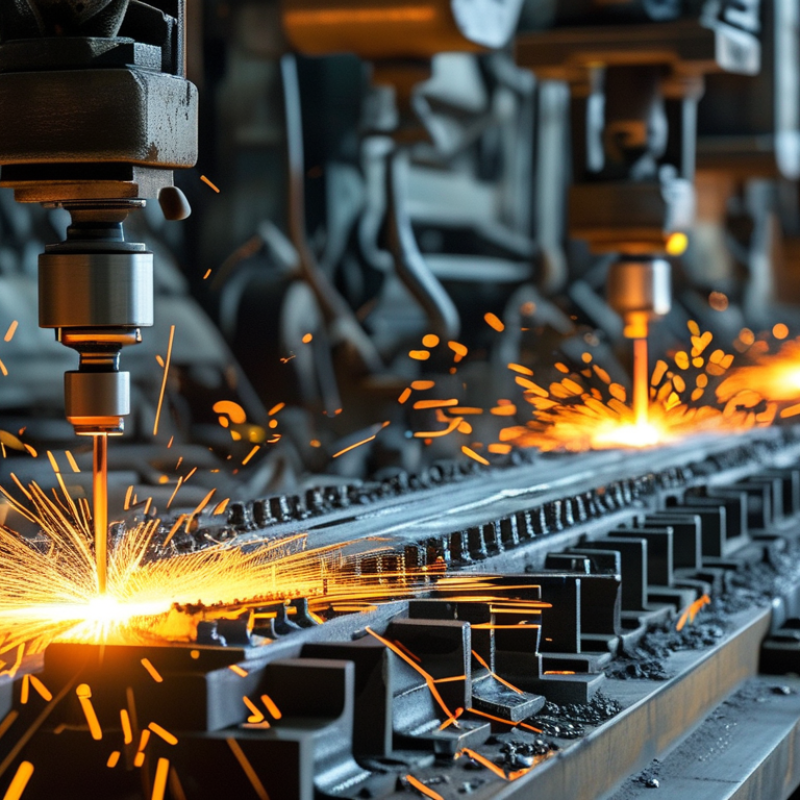
Types of Steel Materials Commonly Used in Machinery
Steel materials play a vital role in machinery, providing strength and durability. Common types include carbon steel, alloy steel, and stainless steel. Carbon steel is popular for its affordability and versatility. It is commonly used in construction and automotive parts. However, it can be prone to rust without proper protection.
Alloy steel is engineered with various elements. This enhances its strength and resistance to wear. It is often used in high-stress applications like gears and shafts. While it offers better performance, it can be more expensive. Stainless steel, known for its corrosion resistance, is essential in food processing and medical equipment. It is easier to clean but may not handle extreme forces well.
Each type has its challenges. Carbon steel's susceptibility to corrosion can lead to premature failure. Alloy steel may not be as forgiving in certain environments. Stainless steel is strong, but its cost and weight can be drawbacks. Understanding these materials helps in selecting the best option for specific machinery needs. This knowledge can prevent costly mistakes and ensure efficient operation.
Characteristics of Tough Steel Alloys for Enhanced Durability
Tough steel alloys are crucial in machinery applications. These materials offer increased resistance to wear and tear. They also withstand high stress and impact. The toughness of steel is measured by its ability to absorb energy. This makes it essential for durable machinery components.
Alloying elements play a significant role in enhancing toughness. Adding elements like chromium or nickel improves toughness significantly. These materials reduce brittleness and enhance performance under extreme conditions. Heat treatment processes, such as quenching and tempering, are also vital. They help refine the microstructure of the steel, further enhancing its toughness and strength.
When selecting tough steel alloys, consider the application. Do you need high wear resistance or impact resistance? Based on these needs, choose the appropriate alloy composition. Regular maintenance is also essential for longevity. Inspecting components for signs of fatigue can prevent larger issues later on.
Assess the trade-offs between toughness and hardness. Sometimes, increasing hardness can decrease toughness. Finding the right balance is key to ensuring long-lasting machinery. Understanding these characteristics will guide informed choices in material selection.
Applications of High-Strength Steel in Industrial Machinery
High-strength steel plays a vital role in various industrial machinery applications. This material is known for its exceptional toughness and resistance to wear. It is commonly used in heavy-duty machinery, such as excavators and bulldozers. The durability of high-strength steel enables these machines to perform efficiently under extreme conditions.
In the automotive industry, high-strength steel is utilized in vehicle frames and components. This material enhances safety and overall performance. The lightweight qualities of high-strength steel contribute to fuel efficiency, making vehicles more environmentally friendly. Different treatments can alter the steel’s properties, allowing for tailored applications in machinery design.
Consider using high-strength steel for structural components that face extreme loading. However, welding and fabrication can be challenging. Always ensure proper techniques are applied to maintain the steel's integrity. Testing and evaluation are critical before full-scale production. Relying on expert guidance can help navigate these complexities.
Applications of High-Strength Steel in Industrial Machinery
Comparative Analysis of Steel Grades for Machinery Use
When analyzing steel grades for machinery, several factors are crucial. Hardness, tensile strength, and wear resistance are key properties. For example, carbon steels like C1045 exhibit high tensile strength, reaching up to 650 MPa. This makes them ideal for parts requiring durability. However, they can be prone to brittleness if not treated properly.
Alloy steels, such as 4140, offer enhanced toughness and fatigue resistance. These steels have a tensile strength range of 700-900 MPa. Alloying elements provide improved mechanical properties. Additionally, they perform better under stress than many carbon steels. Yet, the complexity of their composition necessitates careful selection depending on specific applications.
Tool steels, like A2 and D2, are commonly used for cutting applications. They offer exceptional wear resistance, with hardness values exceeding 60 HRC. However, they can be expensive and challenging to machine. Understanding these trade-offs is essential for manufacturers. Selecting the right steel grade can significantly influence the performance and longevity of machinery components. Balancing cost, strength, and application requirements remains a constant challenge in material selection.
Future Trends in Steel Material Development for Machinery Applications
Future trends in steel material development for machinery applications focus on enhancing performance while reducing costs. Innovations in metallurgy are leading to the creation of ultra-high-strength steels. These materials provide improved durability and resistance to wear. The use of advanced processing techniques is also gaining traction. Heat treatment methods, for instance, can significantly enhance the mechanical properties of steel.
Manufacturers are increasingly prioritizing sustainability. Eco-friendly production methods are being explored to minimize environmental impact. Recyclability is another aspect that holds importance. The reliance on recycled materials in steel production is expected to grow. This shift not only conserves resources but also aligns with global sustainability goals.
When selecting steel materials, consider factors beyond strength. Cost-effectiveness and environmental impacts are essential too. Understanding the specific application helps in choosing the right material. Keep in mind that not all high-strength steel is suitable for every machinery. Ongoing research is crucial for adapting new insights into practical applications.
FAQS
: High-strength steel is known for exceptional toughness and wear resistance. It is durable and performs well in extreme conditions.
This steel is used in heavy-duty machinery like excavators and bulldozers, as well as in automotive vehicle frames and components.
It enhances vehicle safety and performance while contributing to fuel efficiency, making vehicles more environmentally friendly.
Welding and fabrication can be complicated. Proper techniques are essential to maintain the steel's integrity during production.
Key properties include hardness, tensile strength, and wear resistance. These factors are crucial for effective machinery performance.
Carbon steels have high tensile strength but can be brittle. Alloy steels offer better toughness and fatigue resistance, making them ideal for more demanding applications.
Tool steels provide excellent wear resistance but can be expensive and difficult to machine. Understanding these trade-offs helps in making informed choices.
Innovations are focusing on ultra-high-strength steels and advanced processing techniques to enhance performance while reducing costs.
Manufacturers are prioritizing eco-friendly production methods and recyclability to minimize environmental impact and conserve resources.
Look beyond strength to include cost-effectiveness and environmental impacts for the specific application at hand.
Conclusion
In the realm of machinery, the selection of steel materials is crucial for ensuring durability and efficiency. The article explores various types of steel commonly utilized in industrial applications, emphasizing the characteristics of tough steel alloys that contribute to enhanced durability. Specifically, it addresses the toughness of these materials, which is essential in demanding mechanical environments.
Furthermore, a comparative analysis of different steel grades illustrates their suitability for various machinery applications, highlighting the impact of high-strength steel on operational longevity. As industries evolve, the article also discusses future trends in steel material development, focusing on innovations that promise to improve resilience and performance. In conclusion, understanding "what are the most durable steel materials for machinery" is key to optimizing machinery performance and ensuring sustainability in industrial operations.
 Altimexor Metal

%20Metal%20Products%20Co.%2C%20Ltd._Steel%20Pipe%2CSteel%20Plate&images=https%253A%252F%252Fomo-oss-image.thefastimg.com%252Fportal-saas%252Fpg2025102019471928898%252Fcms%252Fimage%252F048d5311-fbf7-4e5e-8816-c4626d2ac3bf.png_1920xaf.png&summary=)